
Mizuno Wave Rider 30 vs Mizuno Wave Sky 9
We haven't tested Mizuno Wave Rider 30 or Mizuno Wave Sky 9 yet, so their role suitability is estimated from published specs.
These do different jobs: Mizuno Wave Rider 30 is a daily trainer, Mizuno Wave Sky 9 a max-cushion trainer. The question is which fits your rotation, not which is better.
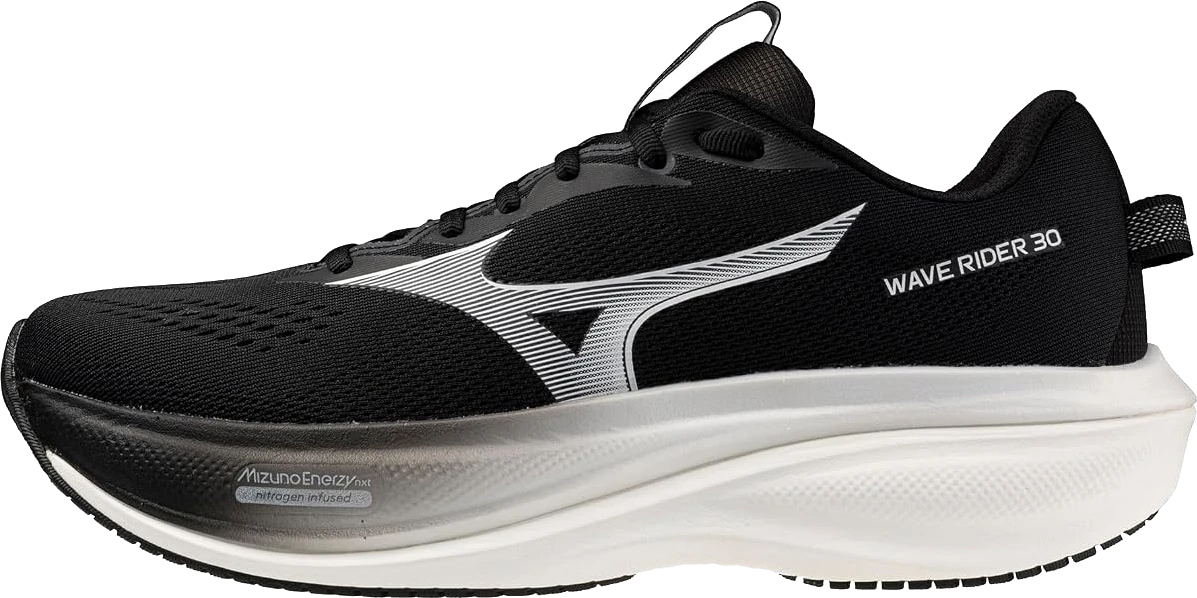
Mizuno
Wave Rider 30
Check priceReview Pulse · Mostly positive · 84/100
Reviewers praise the ride and cushioning and split on the upper.
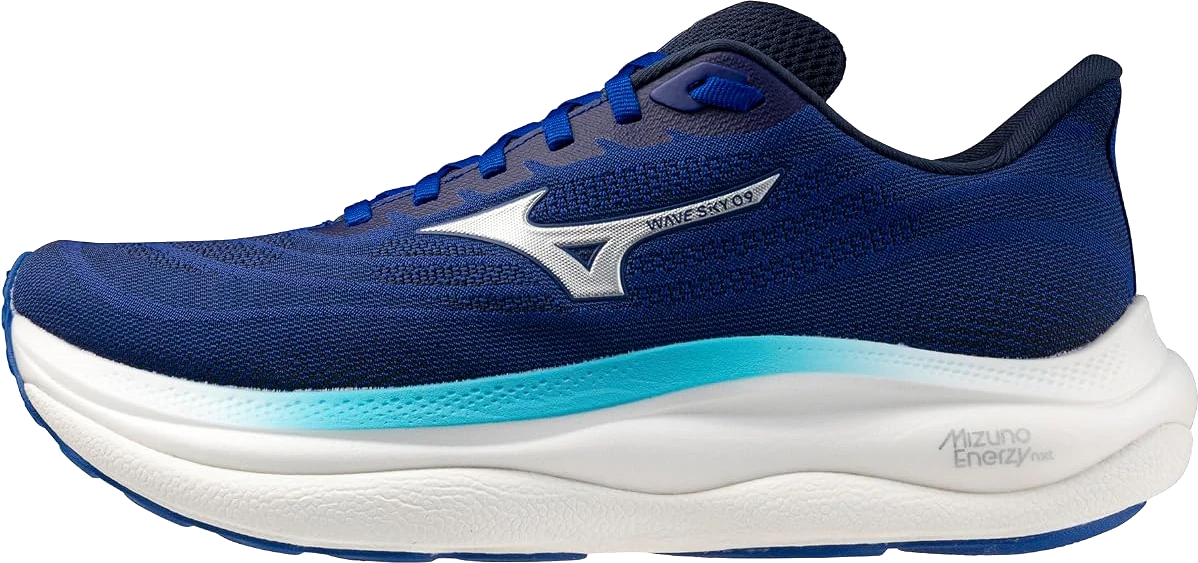
Mizuno
Wave Sky 9
Check priceReview Pulse · Mixed · 70/100
Reviewers praise the cushioning and grip and split on the ride and upper.
The differences that matter
- Mizuno Wave Rider 30 is 25 g lighter.
- Mizuno Wave Rider 30 has the higher drop (8 mm vs 6 mm).
- Mizuno Wave Rider 30 costs $30 less at list price.
What reviewers say
Ride
Mizuno Wave Rider 30
Praised
Smooth, balanced and more modern than past Wave Riders, with enough range for easy miles and the odd faster finish; a few reviewers find the plate and higher stack make it less natural and less propulsive.
Mizuno Wave Sky 9
Divisive
A soft, rockered max-cushion ride that feels light and springy for some testers, but stiff, clunky and dull for others.
Cushioning
Mizuno Wave Rider 30
Praised
A big step up in stack and protection, holding up well on long runs without turning into a marshmallow.
Mizuno Wave Sky 9
Praised
The tall Enerzy NXT stack provides plush, protective cushioning for easy runs, long runs and all-day wear.
Upper
Mizuno Wave Rider 30
Divisive
The knit upper is soft and generally accommodating, but reports on width and breathability split: some find it roomy and airy, others narrow through the toe box or hot in humid weather.
Mizuno Wave Sky 9
Divisive
A soft woven upper with a gusseted tongue, but the fit is narrow and low-volume and ventilation is poor.
Durability
Mizuno Wave Rider 30
Praised
The X10 outsole wears slowly in most tests and is expected to last a marathon block, though one lab test flags a weak toe box and above-average outsole wear.
Mizuno Wave Sky 9
Praised
The X10 outsole and dense foam show little wear, with testers expecting a long lifespan.
Grip
Mizuno Wave Rider 30
Praised
Confident on dry and wet pavement, with lab traction well above average; one tester still loses grip on soaked roads.
Mizuno Wave Sky 9
Praised
X10 carbon rubber grips wet and dry roads reliably, with no slipping reported in rain.
Stability
Mizuno Wave Rider 30
Praised
One of the most stable neutral daily trainers, with the full-length plate and wide base keeping the tall stack controlled.
Mizuno Wave Sky 9
Praised
A wide base and firm lower foam layer keep the tall stack surprisingly stable for neutral runners.
Value
Mizuno Wave Rider 30
Praised
Most call $150 strong value for the stack, plate and durability, though one lab reviewer says the foam should be bouncier at this price.
Mizuno Wave Sky 9
Divisive
At $180 it is expensive for a daily trainer, though its durability and max-cushion comfort justify some of the cost.
Which one to choose
Choose Mizuno Wave Rider 30 if…
- you want the lighter shoe
- you like a higher drop
- price matters
- its ride is what you care about most
Reviewers recommend it for
- Daily training and long runs
- Runners who want a stable max-cushion trainer
- Heel and midfoot strikers
Choose Mizuno Wave Sky 9 if…
- you like a lower drop
Reviewers recommend it for
- Easy and recovery runs
- Long runs
- Walking and standing
Specifications
- Category
- Daily trainer
- Max-cushion trainer
- Price
- $150$30 less
- $180
- Weight
- 265 g25 g lighter
- 290 g
- Drop
- 8 mm
- 6 mm2 mm lower drop
- Stack
- 42.5 / 34.5 mm
- 44 / 38 mm1.5 mm more stack
- Plate
- Not reported
- Not reported
- Stability
- Neutral
- Neutral
- Foam
- MIZUNO ENERZY NXT (supercritically foamed upper + conventional lower)
- MIZUNO ENERZY NXT / MIZUNO ENERZY
Role suitability
DAILY
RECOVERY
LONG RUN
TEMPO
RACE