Shoe guide
Understand the shoe before you buy it.
Drop, stack, foam, plates and fit – the five things that actually change how a shoe feels. Start here, then use the intent shortlists to narrow the field.
Fundamentals
The five things that matter
Everything else in a shoe page is detail. These are the variables that decide whether a shoe suits you.
Shoe basics · 4 min
What is a race-day shoe?
A race-day shoe is lighter and more propulsive than a trainer, built to make a specific pace feel easier for a specific distance.
Read →Shoe basics · 4 min
Heel-to-toe drop, explained
Drop is the height difference between heel and forefoot – it shapes how a shoe loads your legs, not how fast it is.
Read →Shoe basics · 4 min
Stack height and cushioning
Stack height is how much foam sits under your foot – more is not automatically better, and less is not automatically faster.
Read →Shoe basics · 4 min
Neutral vs stability shoes
Most runners do fine in neutral shoes; stability shoes help when support makes running more comfortable, not because pronation is inherently bad.
Read →Shoe basics · 4 min
How running shoes should fit
A running shoe should hold your heel and midfoot securely while leaving a thumb's width of space in front of your longest toe.
Read →Shoe basics · 3 min
How long do running shoes last?
Most running shoes stay effective for 500–800 km (300–500 mi), but the midsole tells you more than the odometer.
Read →Shoe basics · 4 min
Carbon plates and super foams
Plates and super foams make fast shoes feel faster and more protective, but they work best for runners who already train consistently.
Read →Shortlists
Browse by intent
Editorial shortlists ranked with the same role scoring as the recommender – method stated on every page.
Best daily trainers for beginners
The best first running shoes for beginners: comfortable, durable daily trainers ranked by role fit, with honest prices.
Best road shoes for easy running
The most comfortable road shoes for easy runs and recovery days, ranked by cushioning, stability and ride quality.
Best shoes for 5K training
The best shoes for 5K training and racing: light, responsive options ranked by tempo and race suitability.
Best shoes for half-marathon training
Long-run shoes for half-marathon training: protective, pace-capable options ranked for 21.1 km of hard running.
Best budget daily trainers
Daily trainers under $120 that still feel good: value picks, previous-generation models and what you give up.
Best running shoes under $100
The best running shoes for under $100: honest value picks and previous-generation trainers that still work.
Examples
Four shoes, four jobs
A quick illustration of how the same catalogue produces different answers for different sessions.
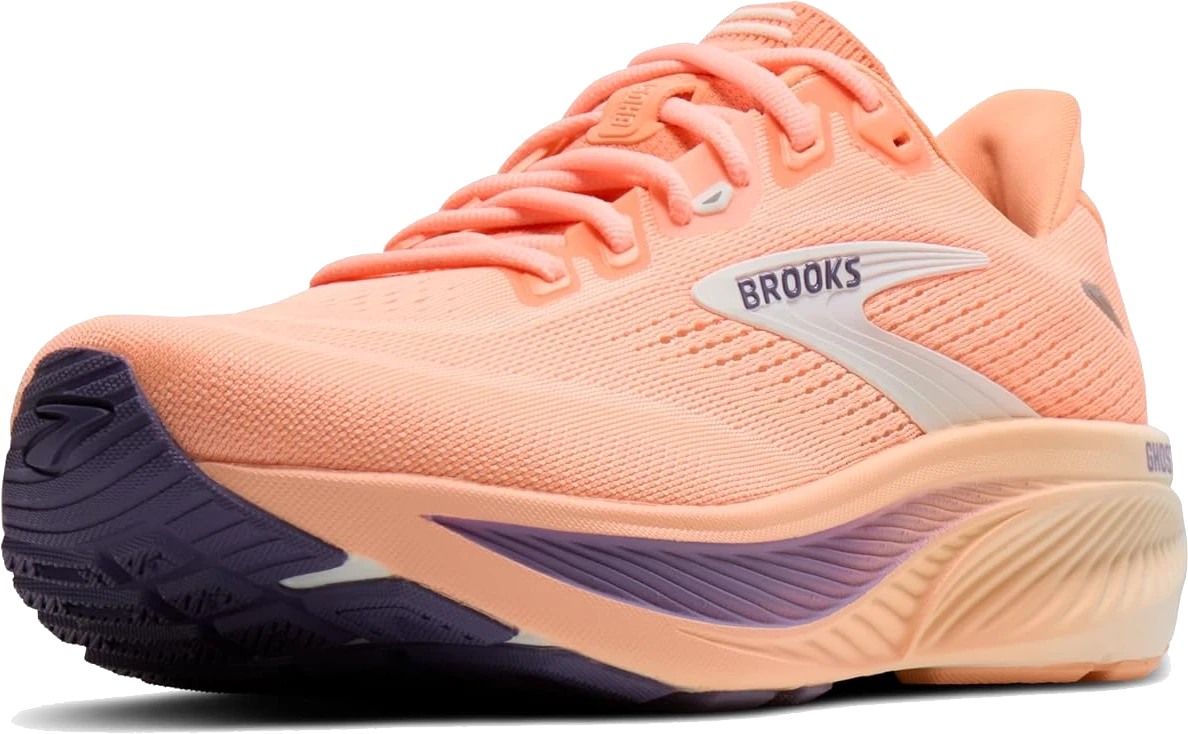
Brooks
Brooks Ghost 18
289.2 g, 10 mm drop, 36/26 mm stack, DNA LOFT v3 foam.
$150
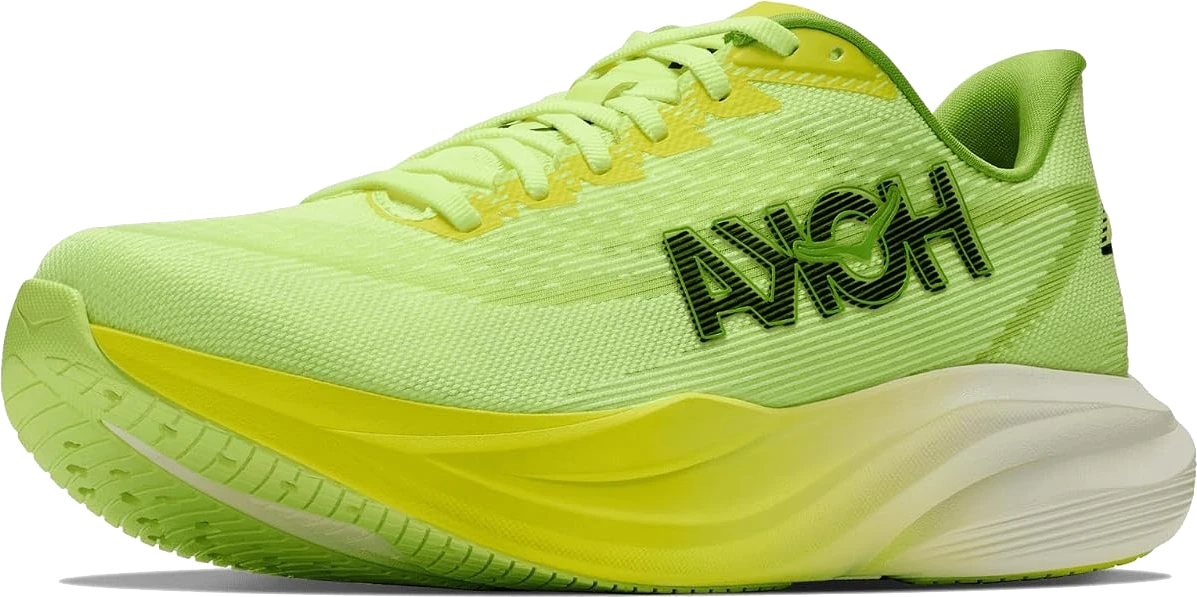
HOKA
HOKA Mach 7
237 g, 5 mm drop, 37/32 mm stack, super-critically foamed EVA foam.
$145
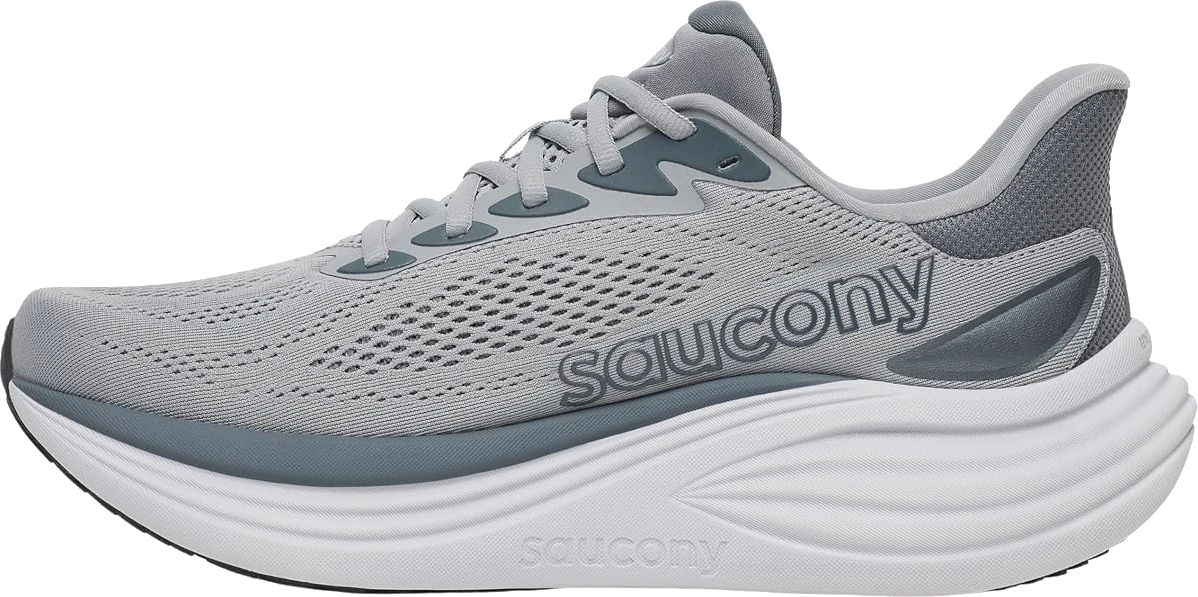
Saucony
Saucony Triumph 24
250 g, 10 mm drop, 43/33 mm stack, incrediLUX foam.
$170
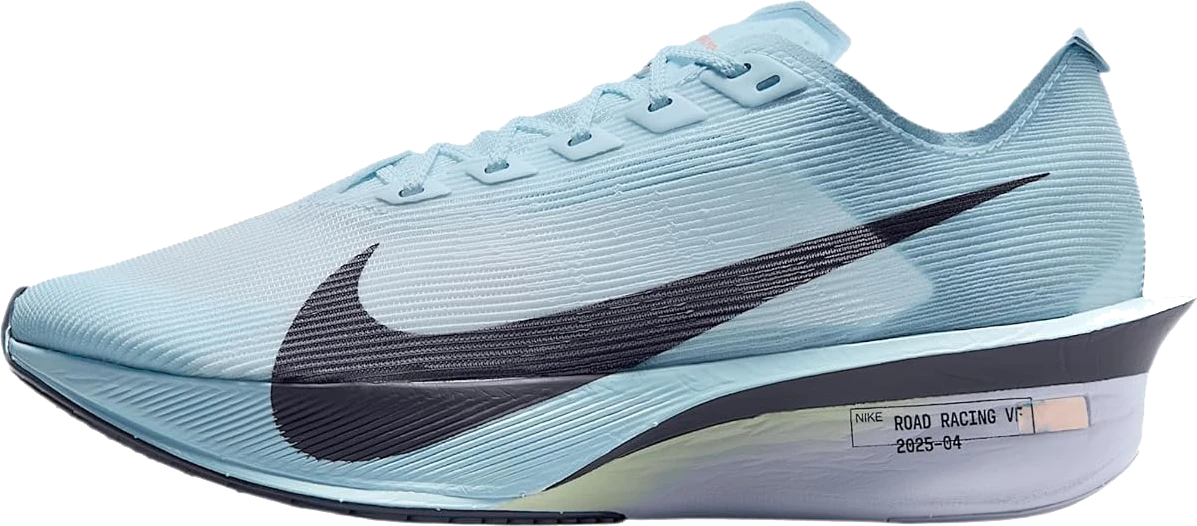
Nike
Nike Vaporfly 4
The lightest mainstream super shoe. ZoomX and a carbon plate make race pace feel easier, especially from 5K to half marathon.
$260